Water softeners and filtration · Oviedo, FL
Scale on the Fixtures? Water Softener Installation and Repair in Oviedo, FL, Starting with a Water Test
Scale on fixtures, spots on glassware and a film in the shower can mean hard water, but they do not prove it. Call Oviedo FL Expert Plumbers and describe what you see, and use this page to decide what to test and what to treat before you buy anything.
Water test first: hardness and what the City of Oviedo reports
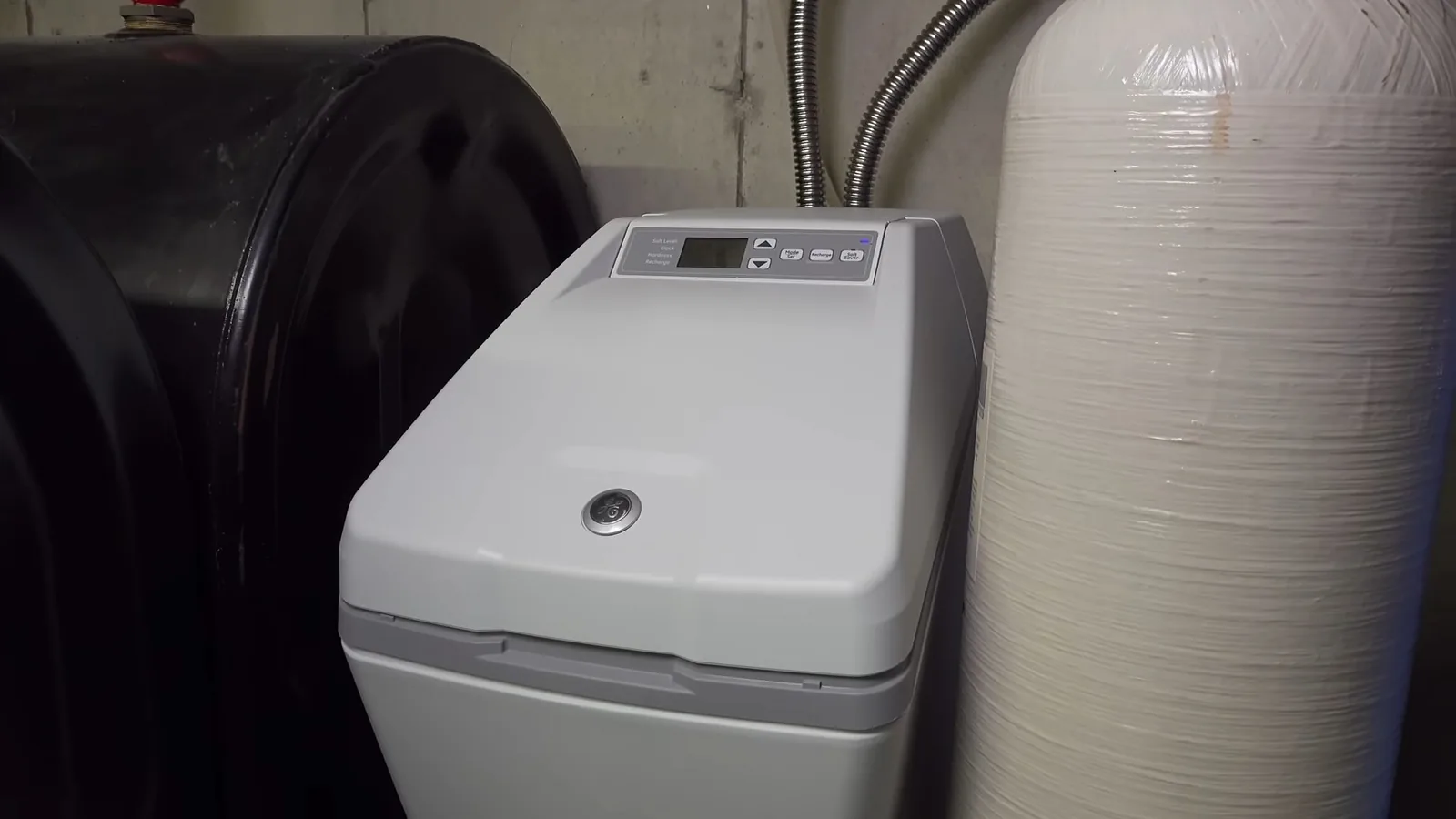
Hardness is a measure of dissolved calcium and magnesium. It leaves scale in water heaters and on fixtures, and it is what a softener treats. It is not the same as total dissolved solids, which count everything dissolved in the water.
The City of Oviedo gets its water from ten wells in the Floridan Aquifer, according to its 2024 annual water quality report. That report lists chloramines as the disinfectant, at an average of 2.30 ppm, but it does not give a hardness figure. We have not found one for Oviedo, so we do not state one.
- Buy a hardness test kit, or have the water tested by a lab, and write down the result.
- Test water from a tap that has not passed through an existing softener.
- Call the Utilities Manager at 407-971-5657 with questions about the report.
- Do not use a total dissolved solids figure as a hardness figure.
A hardness number decides whether a softener is worth installing and how large it should be. A plumber who sells one without testing is selling a guess.
Softener, filter or both? Pick the treatment that fits the problem
| Problem you notice | Treatment that addresses it | What it does not do |
|---|---|---|
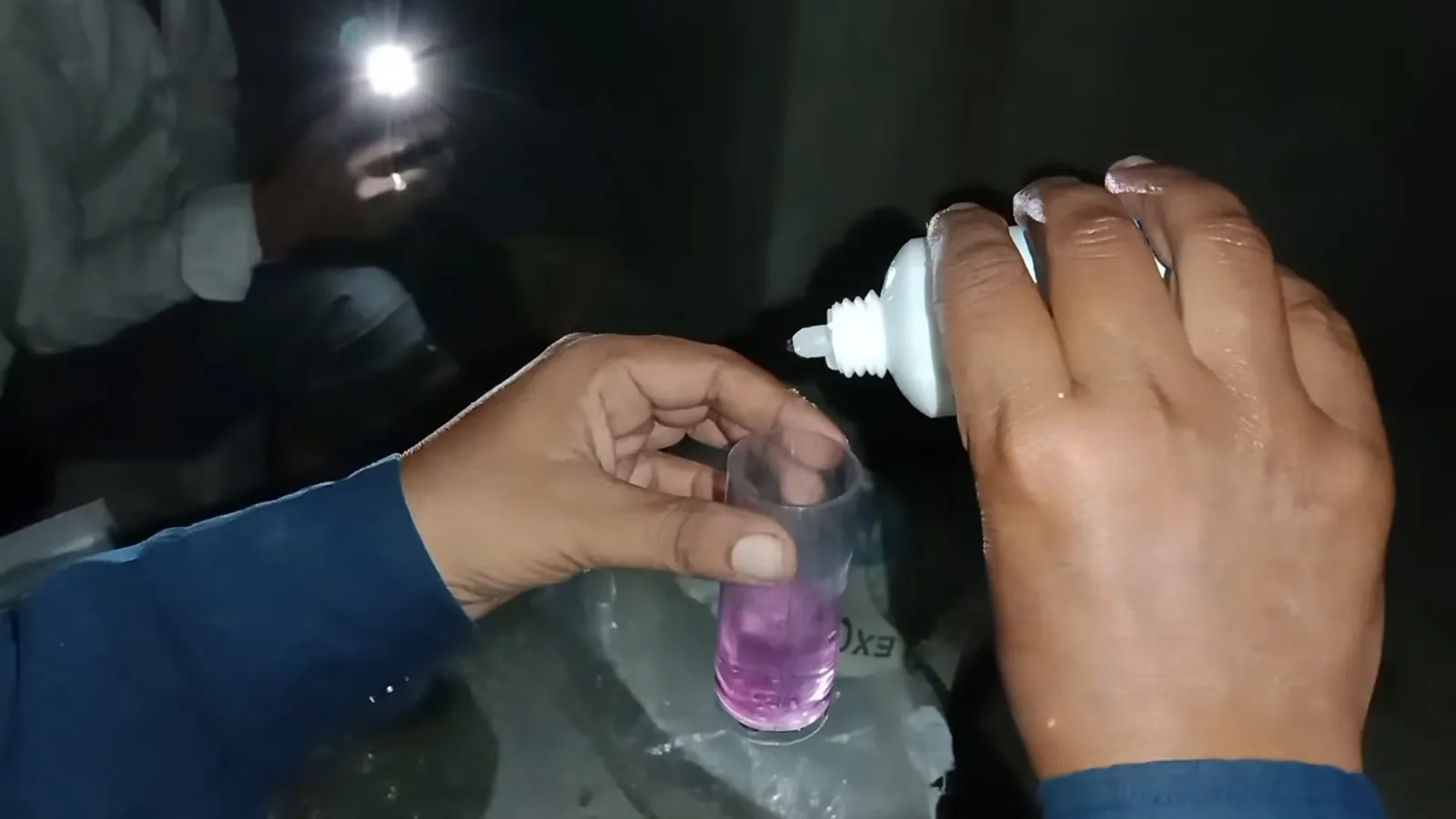
| Scale on fixtures and spots on glass | A water softener | Does not remove chlorine or chloramine taste |
| Chlorine or chloramine taste or smell | A carbon filter rated for that use | Does not soften hard water |
| Sand, silt or sediment in the water | A sediment filter | Does not treat hardness or taste |
| Several of the above | A softener plus a filter | Each part needs its own upkeep |
Chloramine is harder to remove than plain chlorine, and the City lists it as its disinfectant. If you want a filter for taste or smell, ask whether it is rated for chloramine. A filter that is not will leave the taste in place.
Whole-home filtration treats water as it enters the house, so every tap and the water heater get the same water. A filter at one tap treats only that tap. Decide which you need before you compare equipment.
Whole-home filtration systems: types and what each needs to keep working
A whole-home filter is installed on the main water line after the meter. It cleans water for the entire house, including the shower and the water heater. Different cartridges and tanks remove different things, and each needs maintenance.
- Sediment filters trap particles, and their cartridges need changing on a schedule.
- Carbon filters improve taste and smell, and the carbon wears out over time.
- Tank-style carbon systems can backwash themselves but need a drain.
- Every filter needs a bypass or shutoff valve so it can be serviced without shutting off the house.
Ask for the replacement schedule and the cost of cartridges before you buy. A filter that nobody changes stops doing its job and can make water worse. Put the next change date on the invoice or your calendar.
Installing a softener: where it goes, what it drains to and what it needs
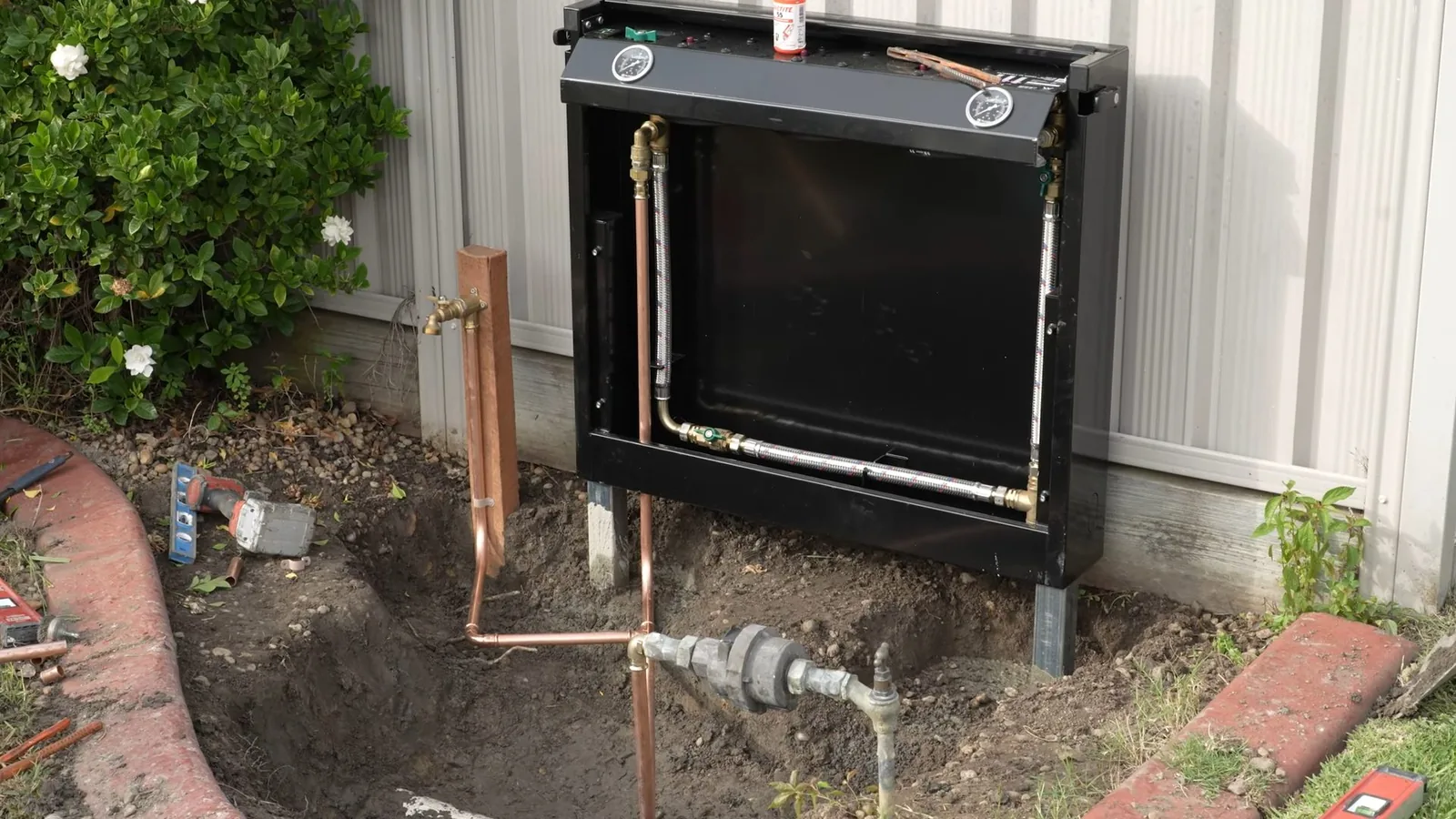
A softener needs a spot on the main line, a drain for the water it flushes out, a power outlet, and room for a salt tank. The garage or a utility closet is typical, but the plumber has to see the space and the pipes.
| Need | Why | Ask the plumber |
|---|---|---|
| Space near the main line | The unit and its salt tank are large | Where will it sit, and can I reach the salt? |
| A drain for flush water | The unit sends rinse water to a drain | Where does it drain, and is that allowed? |
| A power outlet | The control valve runs on electricity | Is there an outlet nearby, or does one need to be added? |
| A bypass valve | It lets you shut the softener off without shutting off the house | Is the bypass included and labeled? |
Ask Building Services at the City of Oviedo whether the work needs a permit, and ask about any rule on where the rinse water may drain. We could not confirm either, so we do not state one.
If you have a tankless heater or are considering one, treated water can reduce how fast the unit scales. That ties into the schedule described in flushing and descaling a tankless unit and the scale question in scale inside a tank heater.
Softener stopped softening: salt bridge, resin and control valve
A softener that no longer works usually has one of a handful of problems. Start with the simple checks before calling.
| What you notice | Likely cause | What to do first |
|---|---|---|
| Hard water returns but the salt tank is full | A salt bridge, a hard crust that stops salt from dissolving | Break the crust with a broom handle |
| The unit never regenerates | A power problem or a control valve fault | Check the outlet and the display |
| Water is soft for a short time, then hard again | Worn resin or a clogged resin bed | Have the unit tested |
| Salty taste, or a tank that overflows | A fault in the brine line or float | Turn the unit to bypass and call |
Resin, the beads inside the tank, wears out slowly. How long it lasts depends on the water and the unit. Ask the plumber what they found when they tested the unit, and whether repair or replacement is the better option for its age.
Salt, upkeep and what a softener cannot fix
A softener uses salt, and the supply has to be topped up. Check the level every month or so and keep the tank from running empty. Use the salt type the manufacturer names.
A softener does not make water safe to drink if it is not, and it does not clean sewage or fix low pressure. It does not remove chloramine. If you have a health question about your water, ask the Utilities Manager or your doctor, not an installer.
Some people notice a slick feeling in softened water, which is normal. If you have a health condition that limits sodium, ask your doctor about drinking softened water, and ask the installer whether a separate tap bypasses the softener.
Describe the scale, the taste and your old unit
Call Oviedo FL Expert Plumbers and say what you see on fixtures, what the water tastes like and what treatment you have now. We will say what to test first.