
Tankless water heaters · Oviedo, FL
Hot Water That Runs Out? Tankless Water Heater Services in Oviedo, FL, Sized to Real Demand
A tankless heater heats water as it moves through the unit, so it does not run out of stored hot water the way a tank can. It does have a limit of its own: how much water it can heat at once. Call Oviedo FL Expert Plumbers with how many bathrooms you have and what runs together, and use this page to decide what the house needs.
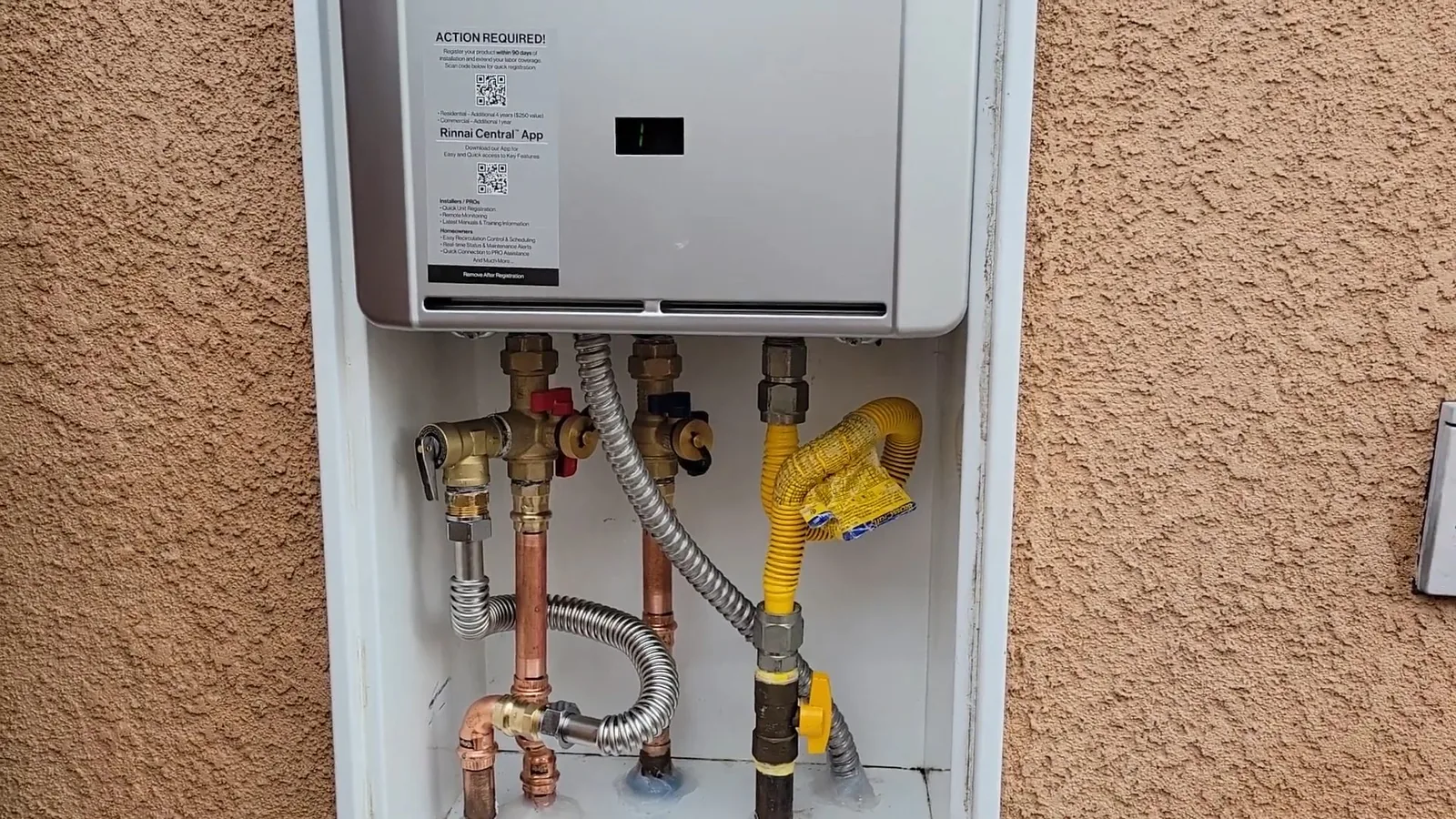
Is tankless right for your house? Flow, not tank size, sets the limit
A tank holds a fixed amount of hot water, and a tankless unit has no tank at all. What sets its limit is the flow it can heat to your chosen temperature. Two showers and a dishwasher running together ask for more flow than one shower alone.
| Question | Why it matters |
|---|---|
| How many fixtures run hot water at the same time? | More fixtures at once means a larger unit |
| How far is the farthest hot tap from the unit? | Distance adds to the wait for hot water |
| Gas or electric? | Each asks for different hookups, vents and circuits |
| Where would the unit hang, and where would it vent? | Wall space and vent path decide whether it fits |
Ask the plumber to size the unit from your answers rather than from the number of bathrooms alone. Hot water use is about habit, so tell them if your household showers in a block each morning or spreads it out.
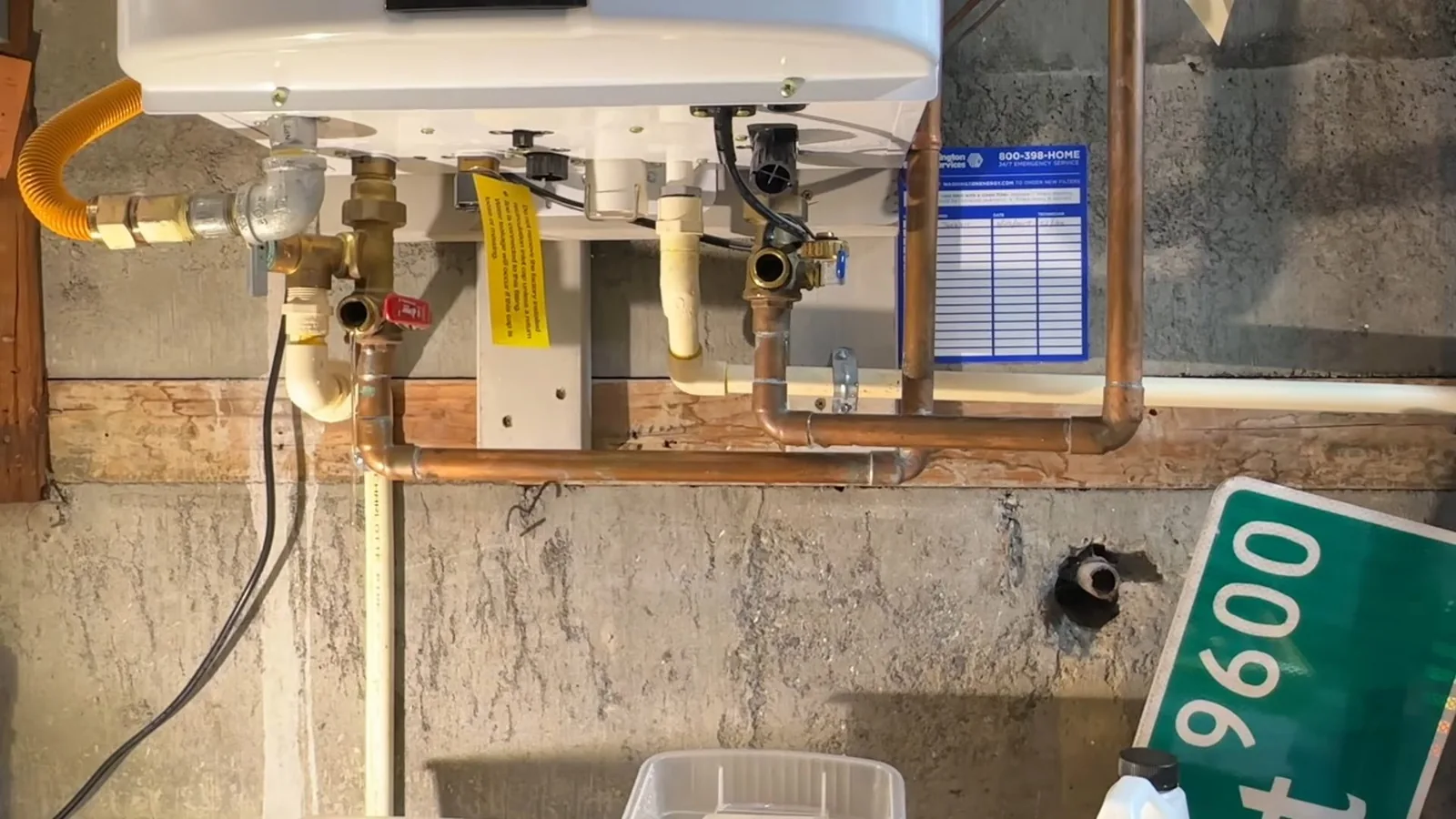
Gas or electric tankless: what each type asks of the house
| Type | What the house must provide | Ask the plumber |
|---|---|---|
| Gas tankless | A gas line big enough for the unit, a vent to the outside, air for burning, and a drain for condensate on high-efficiency models | Does the gas line need to be enlarged, and where will the vent exit? |
| Electric tankless | A heavy electrical circuit and room in the panel | Is the panel able to carry it, or does the work need an electrician? |
A condensing, high-efficiency gas unit makes acidic condensate, so it needs a drain and often plastic venting. That changes where the unit can go. A gas line that is too small is one of the most common reasons a quote grows after the first visit.
If you smell gas at any point, leave the house and call the gas utility from outside. Do not look for the source yourself. Ask how any gas work will be tested before the unit is used.
Replacing a tank with a tankless unit: the scope that is easy to miss
A tankless unit is not a drop-in swap for a tank. The old tank comes out, new plumbing goes in, the vent or circuit changes, and the wall may need patching. The quote should name each piece instead of one lump.
- Removal and disposal of the old tank
- A new gas line, vent run or electrical circuit
- Isolation valves that let the unit be flushed later
- A pressure relief valve and its drain line
- A condensate drain, for condensing gas models
- Wall mounting and any patching afterward
- Whether a permit is needed and who pulls it
Ask the City of Oviedo Building Services office whether the work needs a permit. We do not state a rule here because we could not confirm one. If you are comparing it against a new tank, read putting in a conventional tank heater and ask for both quotes to list the same items.
Flushing and descaling: what the manufacturer's schedule decides
Minerals in the water coat the inside of a heat exchanger over time. A coated unit heats less well, and the flow drops. A flush with a cleaning solution removes the coating, and it needs the isolation valves mentioned above to be done at all.
Manufacturers set their own schedules. Some call for a flush every year and others stretch it longer, so read the manual for your model and ask the installer to write the interval on the invoice. Keep dated records of each flush.
The City of Oviedo's 2024 water quality report does not list a hardness figure, so no one can say how fast scale will build on your unit from that report. If scale is a worry, test your water or call the Utilities Manager at 407-971-5657 with questions. A softener may help the unit and the rest of the house, and treating hard water before it reaches the heater explains how to test first.
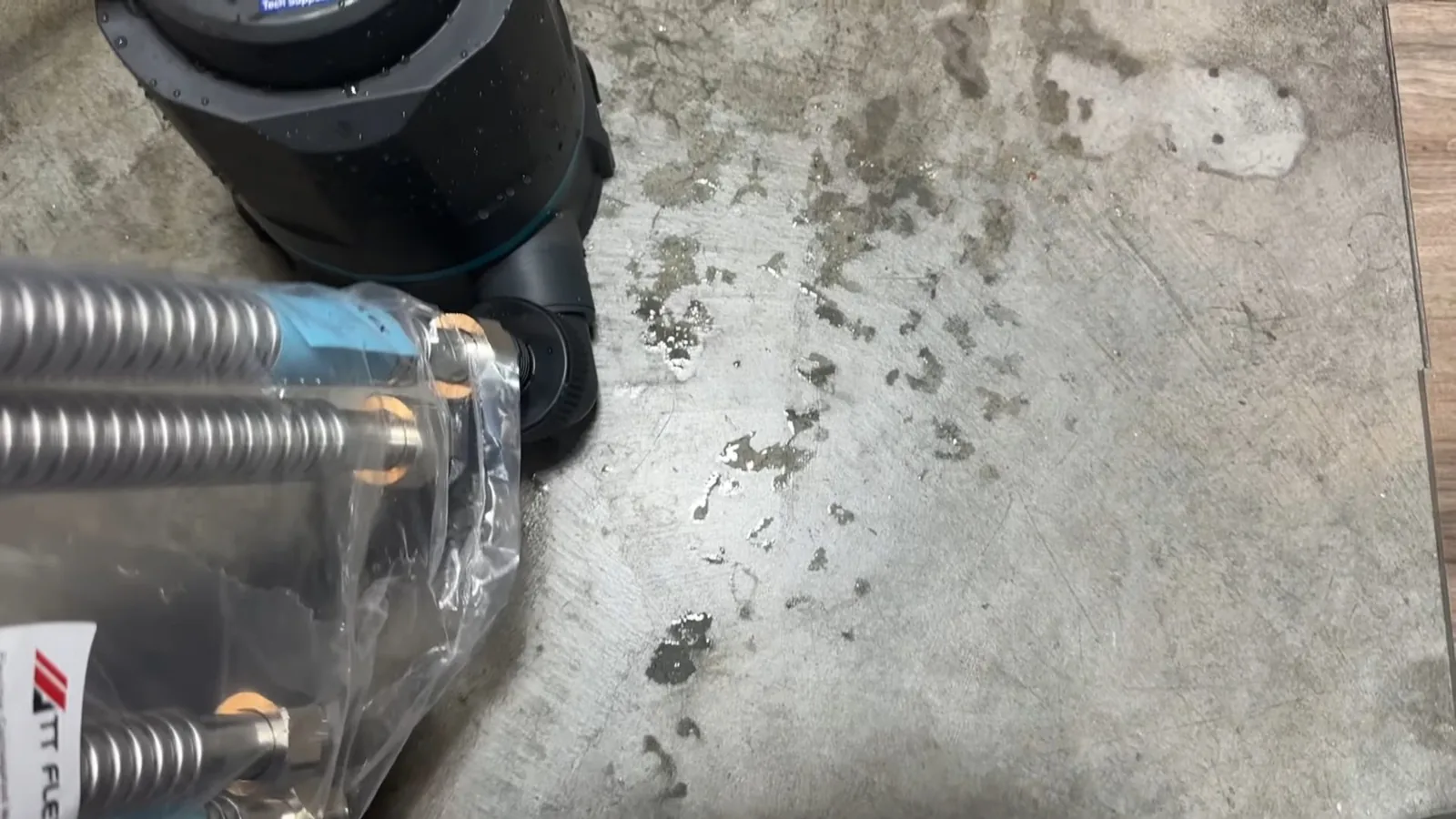
Tankless repair: error codes, no hot water and the brief cold burst
Most tankless units show a code on a display when something is wrong. Write the code down before you reset anything, because it tells the plumber where to start.
Checks that are safe to do
- Confirm the power is on, or for gas that the supply valve to the unit is open.
- Read the code on the display and look it up in the manual.
- Look under the unit for water and note where it drips.
- Check whether the problem is only one faucet, using the test in telling a heater fault from a fixture fault.
Some behavior is normal. A brief burst of cold water between two uses is common with these units, because the heater turns off between draws. A strongly short supply of hot water at the farthest tap is usually a flow or distance limit, not a fault.
A unit that cycles on and off, shows the same error again after a reset, or leaks needs a service visit. Leaks from a tankless heater should be treated seriously. Turn off the water supply and the fuel to the unit and call.
Undersink and point-of-use units: a small heater for a distant sink
A point-of-use unit is a small heater that supplies one fixture. Plumbers also call it an undersink unit, because it often sits in the cabinet below a sink. It suits a far-off bathroom sink or a kitchen sink where waiting for hot water from the main heater wastes a lot of water.
It is not a replacement for a main heater, and it will not run a shower on its own. Plan around what it can serve and how much hot water that fixture needs.
- Is there an outlet at the cabinet, or does the unit need to be wired?
- Which single fixture will it serve, and how much hot water does that fixture need?
- How much cabinet space will it take?
- How does it tie into the supply, and is there a shutoff valve?
- Whether the existing faucet suits it; see choosing and replacing a faucet.
What to have ready when you call about a tankless heater
- Whether the house uses gas or electric now, and where the current heater sits
- The number of bathrooms and what usually runs at the same time
- The make and model of the existing unit, if you have a tankless one
- Any error code, and what happened just before it appeared
- Photos of the heater, the vent and the gas meter or electrical panel
That list lets the plumber give a useful answer on the phone about what the job involves. A phone answer is a starting point, since gas line size and vent routing can only be confirmed in person.
Describe your hot water use to a plumber
Call Oviedo FL Expert Plumbers with the fuel, the number of bathrooms and what runs together. We will say what size and scope make sense before anything is ordered.