
Whole-house repiping · Oviedo, FL
Should You Repipe Oviedo, FL Plumbing or Keep Repairing? A Whole-House Repiping Guide with PEX
Repiping means replacing most or all of the water supply lines in a house. It is a large job, and it is rarely the first answer. Call Oviedo FL Expert Plumbers and describe the leaks, the water and the pressure you have seen, and use this page to decide whether spot repairs still make sense.
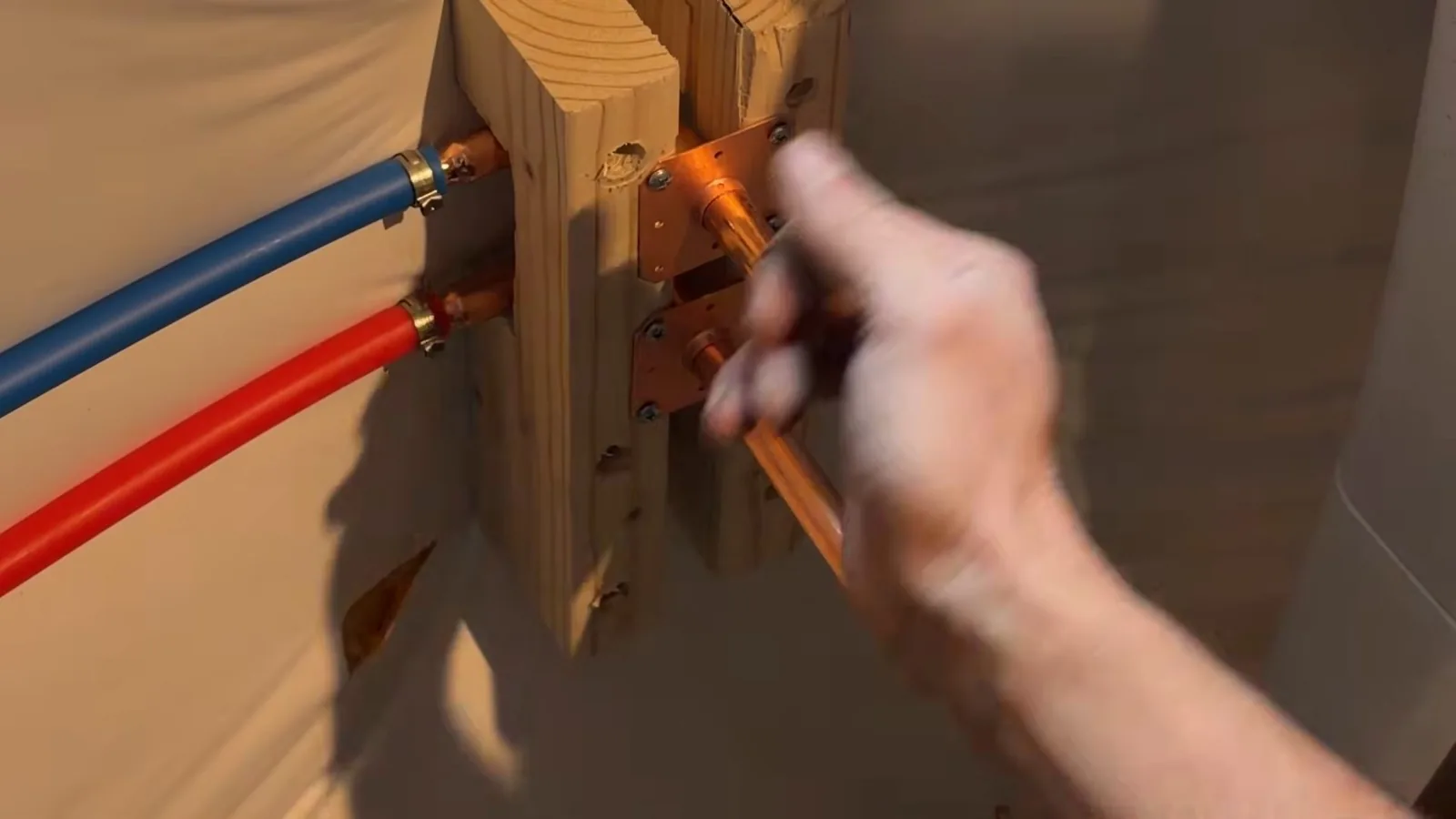
Repair what failed or repipe? The signs that tip the decision
One leak on a pipe that is otherwise sound is a repair. A pattern is different. Leaks that keep appearing in different places, water that comes out discolored, and pressure that drops across the house point to pipes that are wearing out together.
| What you see | Points toward | Why |
|---|---|---|
| One leak, and the rest of the pipe looks sound | Spot repair | The failure is isolated |
| A second or third leak in a different part of the house | Repiping, or a plumber's full assessment | The pipe is failing in more than one place |
| Rusty or brown water from several taps | Inspection first | The cause may be pipe corrosion or something upstream |
| Low flow at every tap, not just one | Inspection first | Scale, corrosion or a leak can cause it |
| Pinhole leaks that return after repair | Repiping | The pipe wall is thinning along its length |
A repair costs less today but it can cost more over a few years if the next leak damages a wall. Ask the plumber to show you the pipe they are replacing and explain what they see. Ask to keep the cut section.
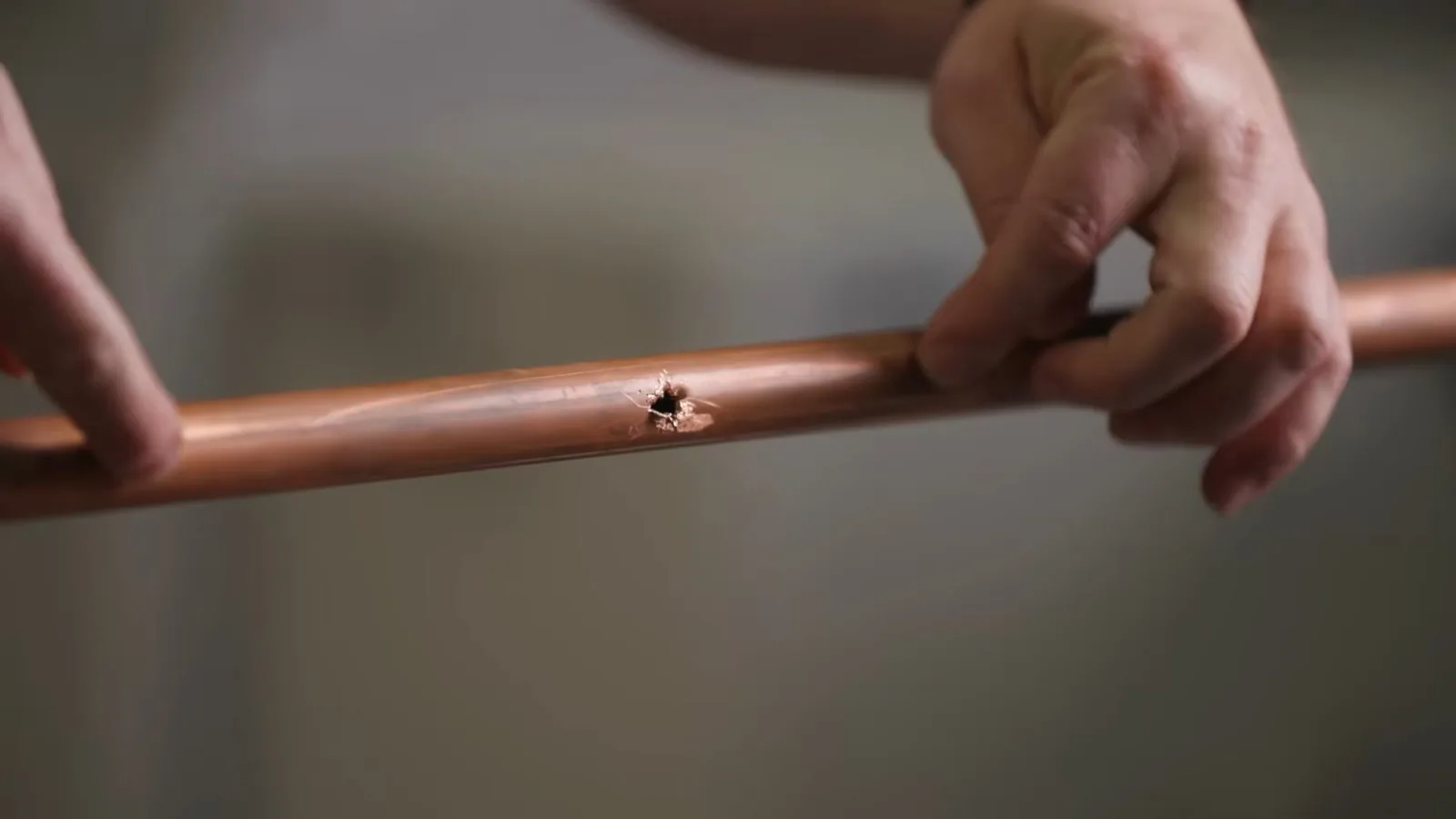
Know your pipe before you decide: copper, galvanized, CPVC or PEX
What is inside the walls depends on when the house was built and what the builder used. We have not verified which materials are common in Oviedo, so we make no claim about them. The way to find out is to ask the plumber to identify the pipe and to show you where they saw it.
- Copper is a rigid metal pipe that is reddish brown, and it can develop pinholes or green stains at joints.
- Galvanized steel is a gray, rigid pipe that can corrode from the inside and restrict flow.
- CPVC is a rigid plastic pipe, usually cream or light yellow, and it can become brittle with age.
- PEX is flexible plastic tubing, often red, blue or white, used in newer work and in repiping.
Water that looks fine can still run through pipe that is failing. Look at the places you can see: the pipes near the water heater, in the garage, under sinks and at the meter. Take photos and send them to the plumber, who can usually say what the material is.
PEX repiping: what the tubing is and what to ask about it
PEX is flexible tubing that runs from a central manifold to each fixture, or from fitting to fitting, in much the same way as rigid pipe. Because it bends, a run through a wall needs fewer joints than rigid pipe does, and that is the main reason it is used in repiping.
| Material | Strengths | Watch for |
|---|---|---|
| PEX | Flexible, fewer joints, easy to route through walls and attics | Damage from sunlight if left exposed; ask which fitting system is used |
| Copper | A long record in houses, rigid, fire resistant | Pinholes in some water, and more labor to install |
| CPVC | Rigid plastic, can be used for hot and cold | Brittleness with age; needs careful handling |
The material matters less than how the job is done. Ask which fittings will be used, how the tubing will be supported, and where it will be protected. Ask what warranty the manufacturer and the installer each give, in writing, and who to call if a fitting leaks.
A repipe also gives a chance to fix other plumbing problems. Shutoff valves that no longer close can be replaced, and lines can be rerouted to shorten the wait for hot water.
What a whole-house repipe involves: walls, water shutoff and patching
A repipe is done in stages. The old lines are cut off and capped, the new lines are run through walls, the attic or the crawlspace, and then each fixture is hooked back up to the new lines. Small openings in drywall are cut at the points where the new pipe has to pass.
- The plumber walks the house, marks each fixture and decides where the openings go.
- Water is shut off for part of the day, usually more than once, while lines are swapped.
- New lines are run and pressure tested.
- Fixtures are hooked back up and the system is flushed.
- Openings are patched, or left for a drywall trade.
Ask how many days you will be without water, whether a temporary supply will be provided, and who patches and paints. Many repiping quotes stop at the plumbing and leave drywall and paint to you, which can add a second contractor and a second invoice.
- How many days the work takes and when the water is off
- Where the openings will be, and how large
- Who patches the walls and who paints
- Whether a permit and an inspection are needed, and who arranges them
- How the old pipe is removed or left in place
Ask Building Services at the City of Oviedo whether the work needs a permit. We could not confirm a rule, so we do not state one.
Slab homes and second floors: where the new lines will run
Where the new pipe runs depends on the house. In a one-story home on a slab, the lines often run through the attic and down through the walls. A second floor may be easier or harder, depending on what is above and below.
If your leaks are under a concrete floor, rerouting new lines overhead can avoid cutting the slab. That is the same idea described in rerouting a line that failed under the floor and it can be done for a few lines or the whole house.
Ask the plumber to draw or describe the route, and ask what will be visible when it is done. A line that runs along a ceiling or inside a closet is a visible change you should agree to before the work starts.
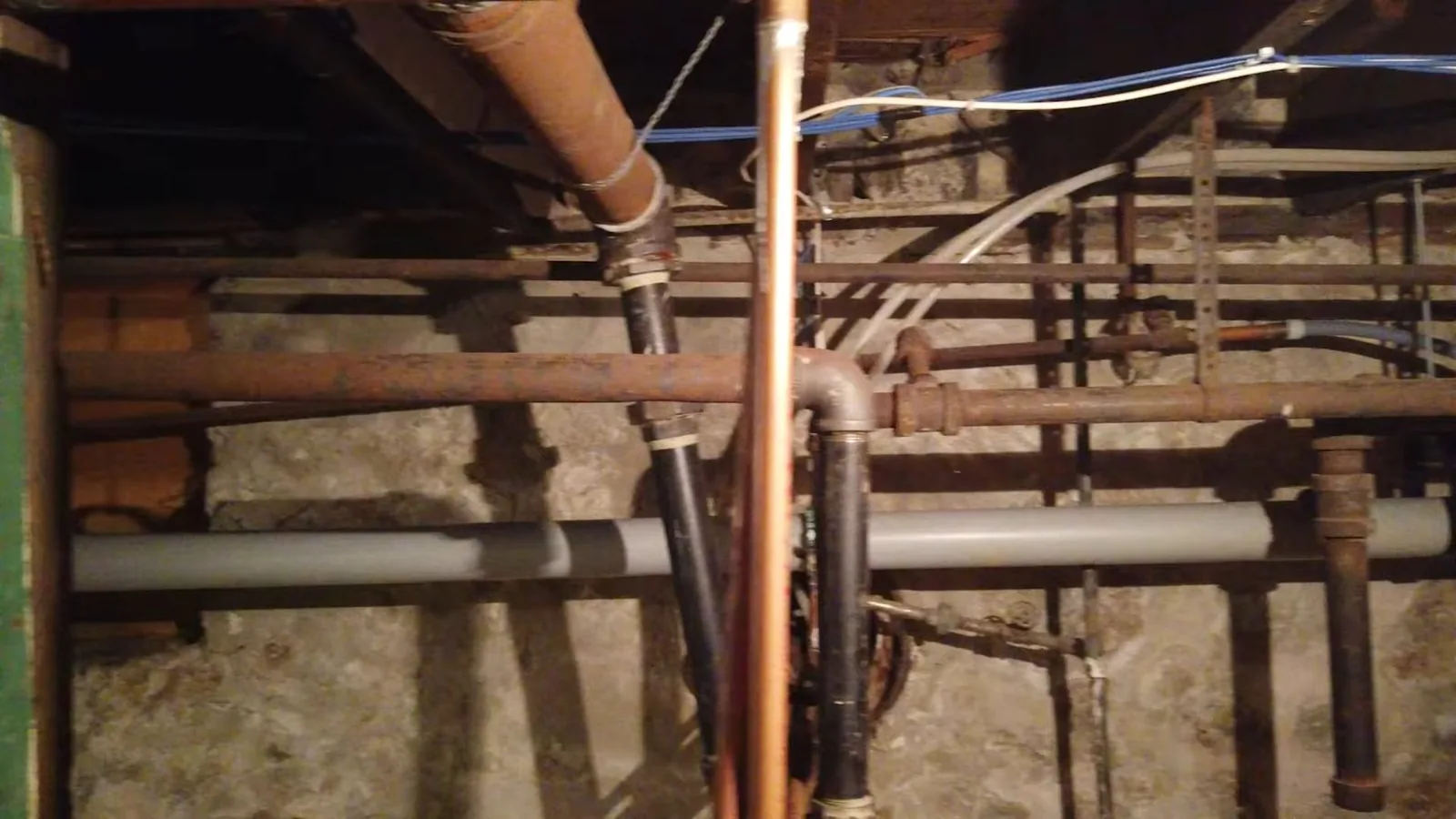
Getting quotes you can compare: what a repipe estimate should list
Callers often want a price over the phone before committing, which is reasonable. A repipe estimate depends on the number of bathrooms and fixtures, how many floors there are, how easy the walls are to reach, the material and the patching. A figure given before anyone has seen the house is a rough range at best.
- The pipe material and fitting system, named on the quote
- A count of fixtures and the points where new lines will tie into each fixture
- Openings in walls and ceilings, and who repairs them
- Permits and inspections, and who pulls them
- The schedule, and what happens if the work runs long
- Cleanup and removal of old pipe
Get at least two quotes and ask each plumber to list the same items. If you are still deciding between repair and repiping, ask a plumber to explain where one leak ends and the next begins; a single pinhole is covered under fixing a single failed pipe and a hidden one under finding a leak before the walls open.
Describe the leaks and the water to a plumber
Call Oviedo FL Expert Plumbers with the leaks you have had, what the water looks like and what the pressure is doing. We will say whether a repair or a repipe makes sense.