
Leak detection · Oviedo, FL
Leak Detection in Oviedo, FL: Find Where the Water Is Going Before Anyone Cuts
A water bill that jumped, a brown ring on the ceiling or a hiss behind a wall all mean water is going somewhere it should not. Call Oviedo FL Expert Plumbers and describe what you found. This page covers the checks you can do safely yourself and what a plumber should hand you in writing before anything is opened.
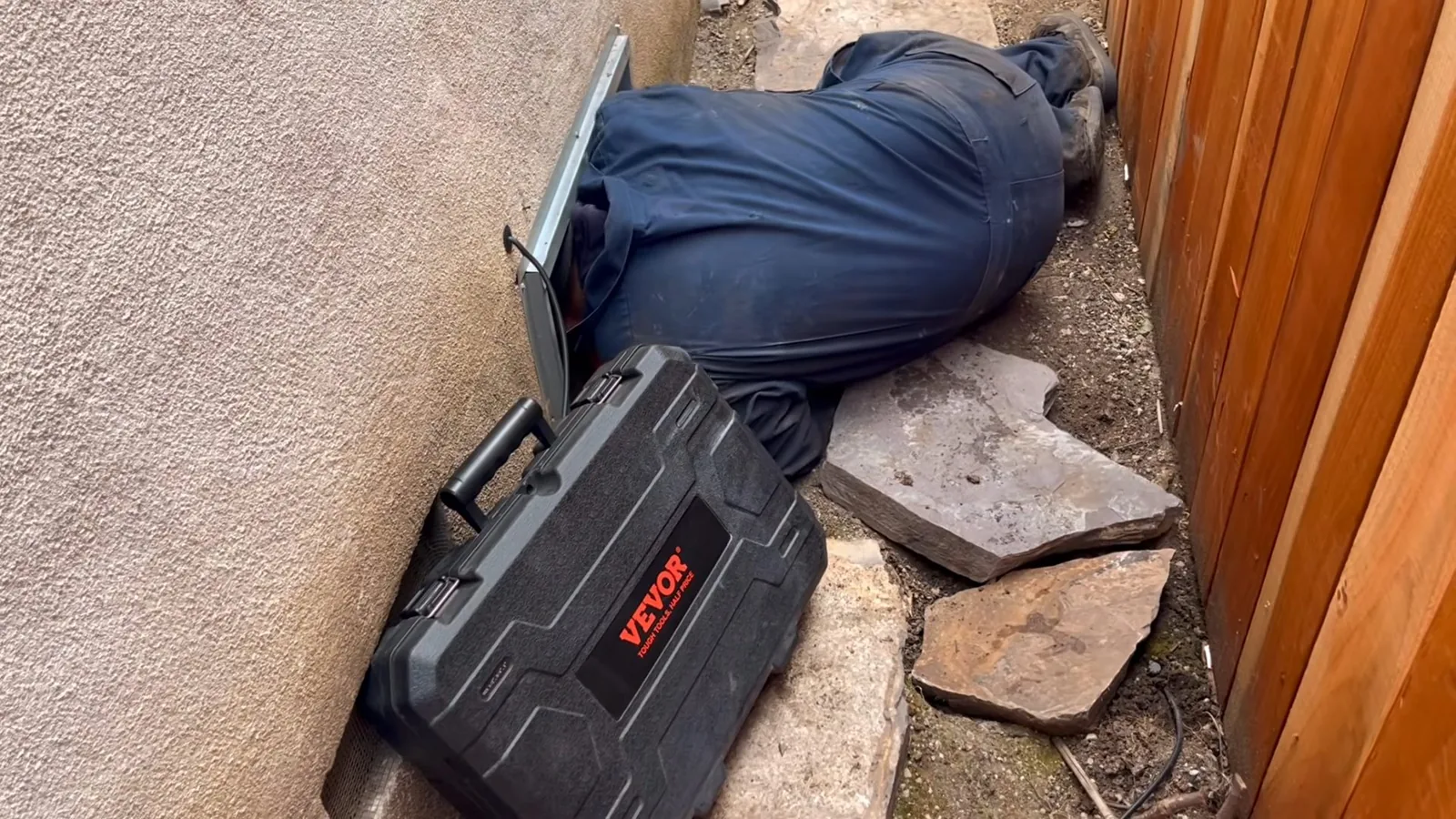
Did the meter move? What the City's leak indicator can and cannot tell you
Start with the one check that takes ten minutes and needs no tools. Turn off every faucet, the ice maker and the irrigation controller, then look at your water meter. The City of Oviedo says its advanced meters carry a visual potential-leak indicator, so you may see a flag or a dial that keeps turning with everything off.
A moving dial means water is leaving somewhere after the meter. It does not say whether the leak is in the house, under the yard or in a sprinkler zone. A still dial does not clear you either, because a slow fixture drip or a drain-side leak may never register.
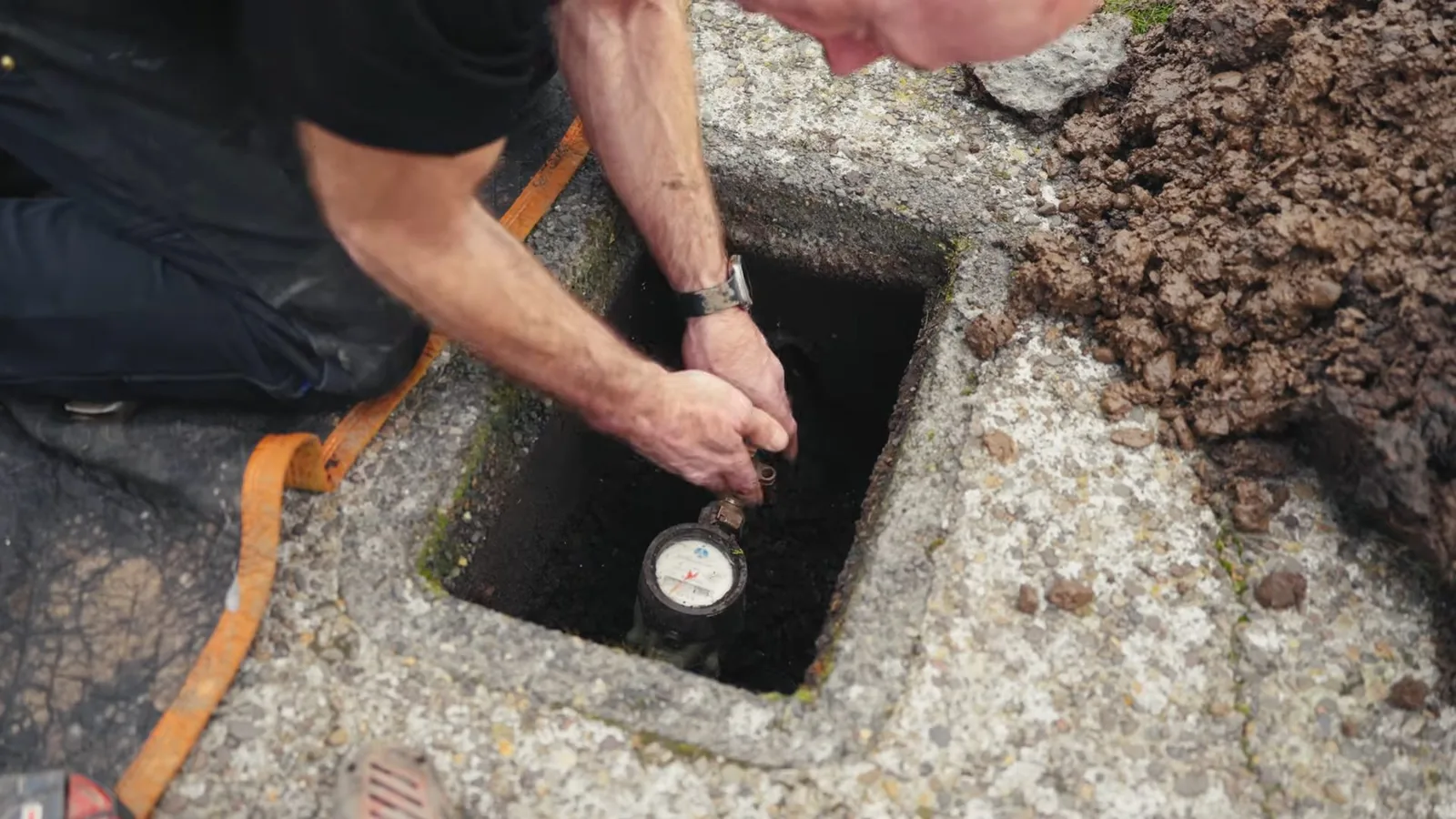
Narrow it down with the main shutoff
- Write down the meter reading with all water off, wait one hour, then read it again.
- Close the main shutoff valve at the house and watch the dial for a few minutes.
- If the dial stops, the leak is on the house side of that valve. If it keeps moving, the leak is between the meter and the valve.
- Photograph the meter before and after so you can show the numbers.
Bring those results to the call. A plumber who hears that the dial stops when the main is closed starts inside the house. One who hears the opposite starts in the yard.
Water line or drain line? Clues that show which side is leaking
Leaks fall into two groups. Pressurized supply lines leak all day and move the meter. Drain and waste lines leak only while water runs through them, so the stain grows after a shower or a laundry load and the meter may barely change.
| What you notice | Points toward | Useful first check |
|---|---|---|
| Wet spot keeps growing when nobody uses water | A pressurized supply line | Meter test with all water off |
| Stain grows after showers or laundry | A drain or waste line | Run one fixture at a time and watch the spot |
| Warm patch on a floor | A hot-water line under the floor | Note which taps run hot at that end of the house |
| Hissing in a quiet house | A supply line under pressure | Listen near the water heater, the main and the nearest wall |
| Musty smell with no visible water | A slow drain leak or condensation | Look under sinks and around the toilet base |
| Ring on a ceiling below a bathroom | A fixture, shower pan or drain above | Note which fixture was in use when it grew |
None of these proves the cause. They tell a plumber where to start, which keeps the opening in your wall as small as possible.
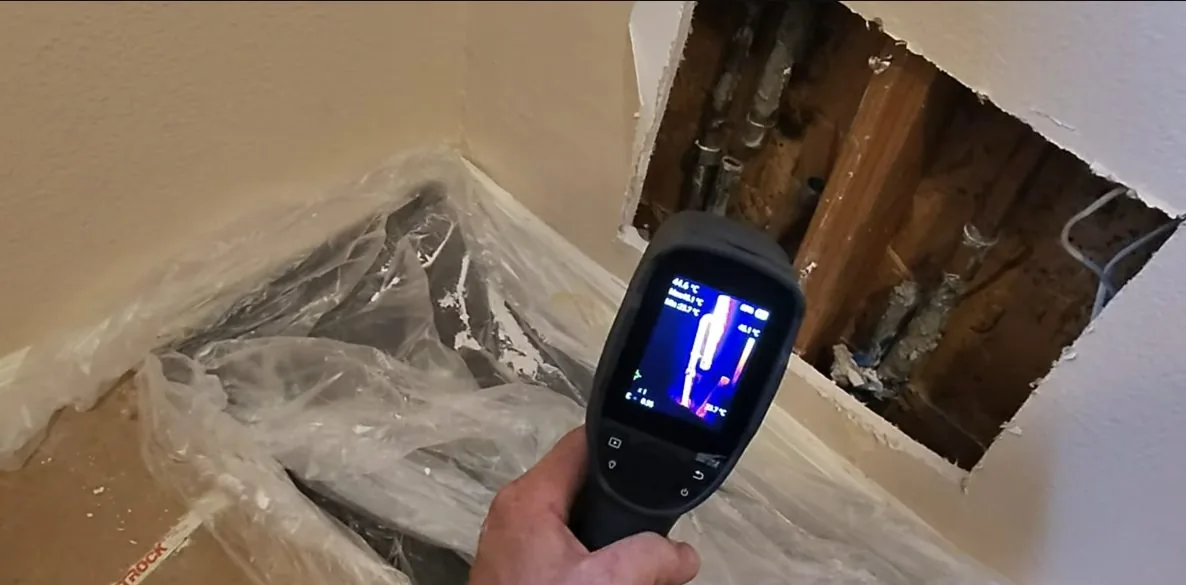
Stain on a ceiling or wall: not every one is a plumbing leak
A stain below a bathroom is often plumbing. A stain on an upper ceiling with no bathroom above it may come from the roof, a gutter or the air handler's condensate line. Those belong to a roofer or an air-conditioning technician, and opening a wall to chase a roof leak means patching drywall twice.
Tell us where the stain is, what sits above it and when it grows. If it grows only after rain, plumbing is a poor suspect. If it grows after a shower, plumbing is a good one. Photograph it at the same hour for three days so the change is visible.
A home with a lower level or a crawl space has one more route for water. A below-grade wall that weeps after heavy rain is a drainage or foundation question. A pipe dripping from the floor above is plumbing. Say which one it looks like when you call.
If you smell gas at any point, leave the house and call your gas utility or 911 from outside. Do not search for the source. Plumbing can wait until the utility has cleared the home.
Soggy yard, dropping pool or wet sprinkler zone: leaks outdoors
Outdoor leaks are easy to miss because the water disappears into the ground. Common signs are a patch of lawn that stays green or soft in dry weather, a meter that moves while the house is silent, and water pooling around the meter box or the valve at the house.
Who fixes it depends on where the pipe is. Water running in the street or out of the meter box is a call to the City of Oviedo: Public Works at 407-971-5681 during the day, or the after-hours utilities line at 407-256-5026. A leak on the house side of the meter is yours. Public Works can answer where the City's responsibility ends at your address, and it is worth asking before you pay for excavation.
The City provides reclaimed water for irrigation, and it says that line can never be interconnected with any other water system. A leak on a reclaimed irrigation line is repaired as irrigation, never by tying it into household plumbing. Tell the plumber which supply your sprinklers use before work starts.
If finding the leak means digging, Florida law (Chapter 556) requires a ticket to Sunshine 811 at least two full business days before ground is broken. Ask who is filing it, and do not let anyone dig the morning you call. You can read the rule on the Sunshine 811 notice page.
For a pool, the first split is between the pool itself (shell, skimmer, equipment pad) and the plumbing that fills it. Ask the plumber to check the house-side fill line. Shell leaks belong to a pool company.
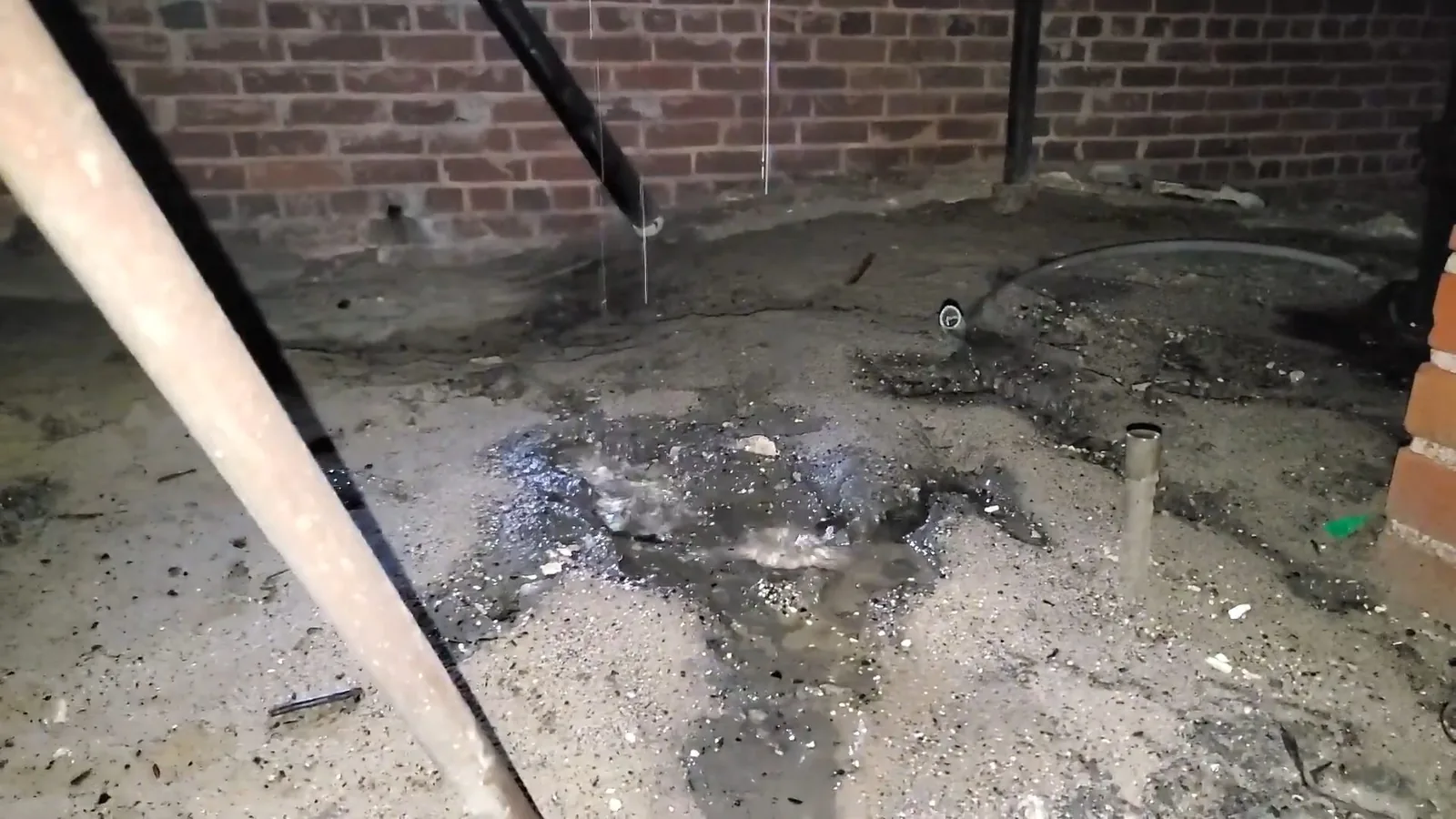
What a leak assessment should give you, and what to ask for in writing
Leak locating uses listening gear, pressure tests, thermal cameras or tracer gas, and the right one depends on what is leaking and where. The tool matters less than what you leave with. Ask for these before agreeing to open anything:
- The location, marked on the surface or on a sketch with measurements from two fixed points
- Which line is leaking: hot, cold, drain or irrigation
- The test that proved it, such as a pressure hold or a meter result
- Photos of the area before and after any opening
- A written quote for the repair, with the access opening and the patch listed separately
The last item prevents the most arguments. A leak found at one price and a repair quoted at another is normal, but you should know both before the wall is cut. If you are filing an insurance claim, ask whether the findings can be put in a short written report with photos, and read your policy before repairs begin.
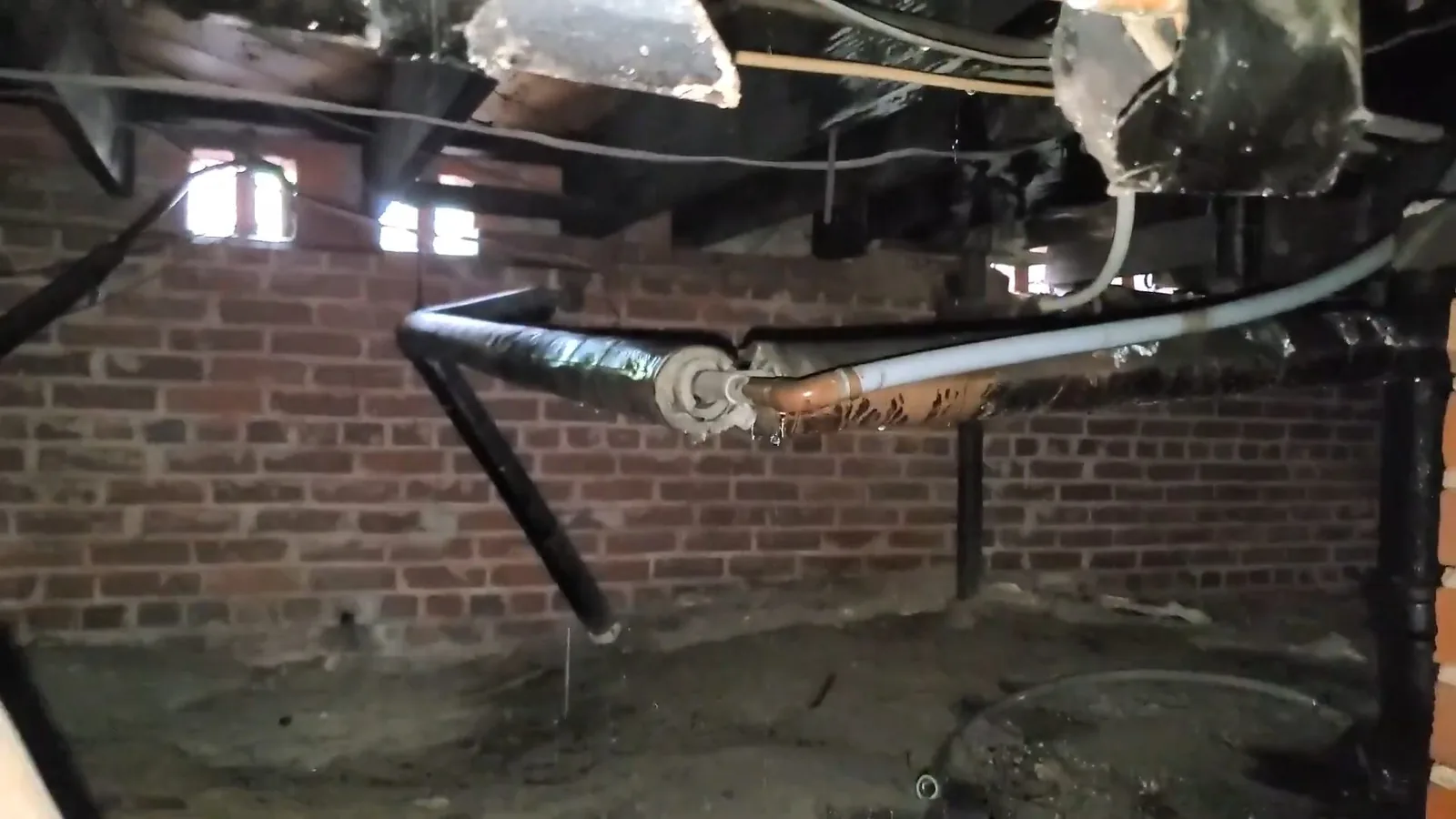
Pinhole leaks in copper pipe: when repeat repairs mean new pipe
If your home has copper supply lines, pinholes can open in more than one place over the years. The first is a repair. The second or third on the same system is a pattern, and chasing each one adds up in wall openings and patching.
Ask the plumber what the pipe material is, how many leaks the system has had and whether the water pressure at the house is normal. High pressure wears fittings faster. If the answer points at the pipes themselves, read about swapping out old supply piping before you approve a fourth patch.
Call now or wait? A short guide to timing
Call now
- Water you cannot stop, or a meter dial spinning fast with everything off
- Water near the electrical panel, outlets or a light fixture
- A ceiling that bulges or sags under a stain
- No water pressure at all
Reasonable to schedule
- A stain that has not grown over several days
- A bill that crept up while the meter test shows a still dial
- A slow drip under a sink with a bucket catching it
Either way, close the valve to the affected line if you can find it, and photograph the damage with the date showing on your phone. A leak that has already soaked flooring needs drying out after a leak as well as a repair.
Some leaks have their own pages. A leak under a concrete floor is covered in locating and fixing a leak under a slab and a pipe that has already let go is covered in what to do after a pipe bursts. Water dripping from a tank belongs with water heater leaks. This page is written for homes. If the leak is in a business property, say so when you call.
Tell a plumber what the meter, the stain and the bill are doing
Call Oviedo FL Expert Plumbers and describe what you found. We will walk through the checks above and what to do next.