
Toilet repair · Oviedo, FL
Water Around the Base? Emergency Toilet Repair Services in Oviedo, FL for Clogs, Leaks and Running Tanks
A toilet problem can be a drip that costs a few dollars on the water bill or water spreading across a bathroom floor. Call Oviedo FL Expert Plumbers and describe what the bowl, the tank and the floor are doing, and use this page to sort a quick fix from a repair before anyone lifts the toilet.
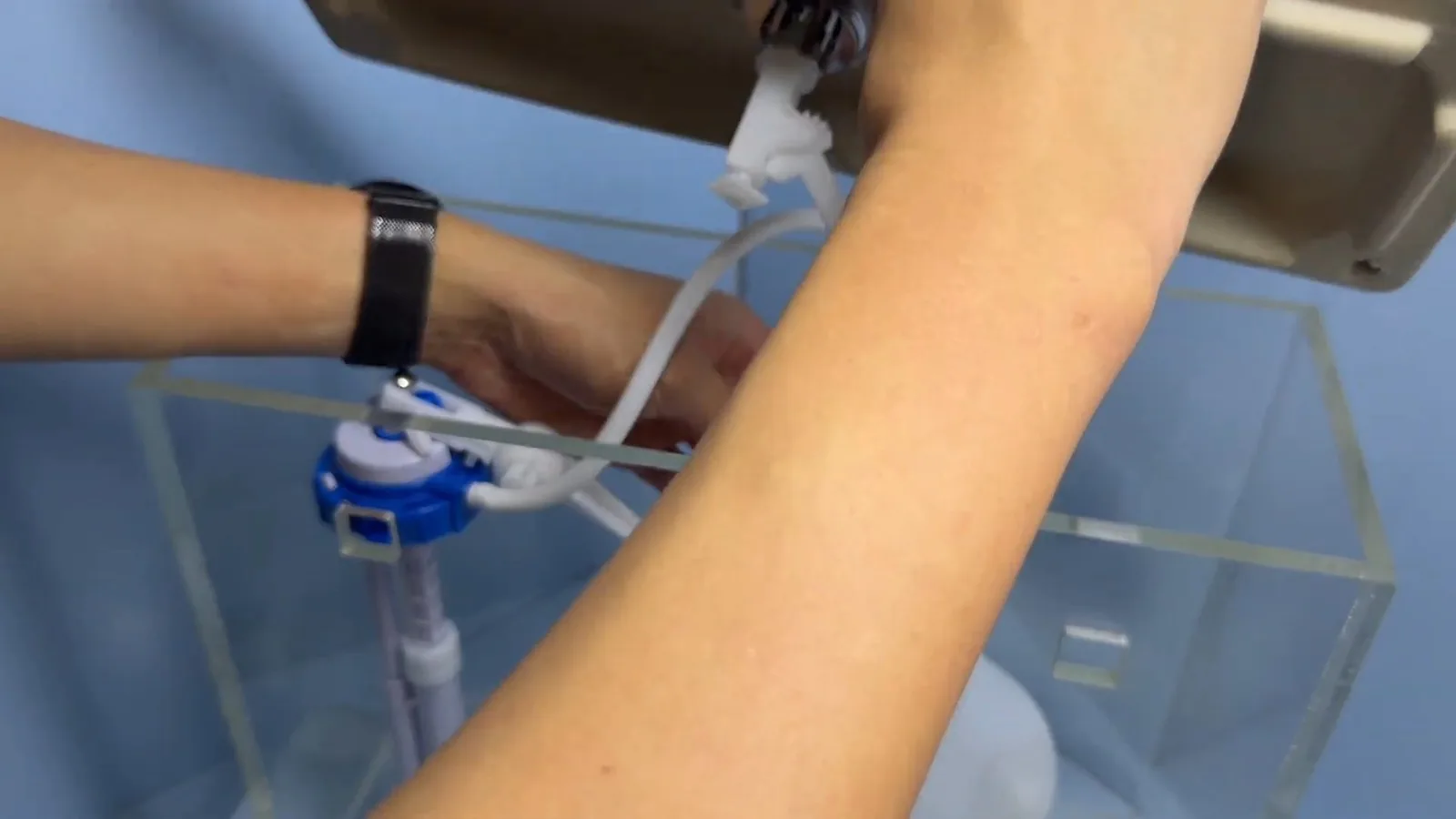
Water rising or spilling: stop the flow before anything else
- Do not flush again. Lift the tank lid and push the rubber flapper down, or hold the float up, so no more water enters the bowl.
- Turn the small shutoff valve on the wall or floor behind the toilet clockwise until it stops.
- Put towels at the base and mop standing water right away, because water that sits under a bathroom floor soaks into the material beneath.
- If the shutoff valve will not turn, close the main shutoff for the house instead and do not force the valve.
- Photograph the floor and the base of the toilet if water reached anything other than the tile.
An old valve can snap if you muscle it, and a snapped valve is a bigger leak than the one you started with. If you need to find the house shutoff, the steps are laid out in closing the main water shutoff.
If dirty water is coming up from the tub or a floor drain as well as the bowl, stop using every fixture in the house. That pattern points past the toilet to the drain line, and it is a different job from anything on this page; see a drain that backs up at more than one fixture.
A clogged toilet or something bigger? What the bowl is telling you
Most toilet clogs sit in the toilet's own built-in trap and clear with the right plunger. The harder question is whether the toilet is the problem or only the first place the problem shows.
| What you see | Likely cause | First step |
|---|---|---|
| Bowl fills high, then drains slowly | A soft clog in the toilet's own trap | Plunge with a flange-type plunger |
| Bowl rises or gurgles when another fixture drains | A blockage past the toilet, in the branch or main line | Stop using water and read about drain cleaning |
| Flush is weak, but the water level in the bowl looks normal | Blocked rim holes or a flapper that closes too soon | Describe it when you call; a plunger will not help |
| Toilet rocks, or water seeps out at the base | A failed wax ring or a loose flange | Stop using the toilet; the repair means lifting it |
Clearing a clogged toilet yourself
- Use a plunger with a rubber flange that folds out, seated over the drain hole, and push gently first so the bowl does not splash.
- A closet auger, sometimes called a toilet snake, reaches a clog a plunger cannot. A drain cable can scratch the porcelain.
- Skip chemical drain openers. They sit in a bowl that will not drain and can splash on whoever works on it next.
- Pour warm water, not boiling water, into the bowl, since a sudden temperature change can crack porcelain.
Toys, wipes and cotton products are the usual reasons a toilet clogs again and again. Wipes sold as flushable still clog lines, and the quickest fix is to keep them out of the toilet. If one toilet clogs more than twice in a few months and nothing was dropped in it, ask the plumber to pull it and look at the drain beneath.
Running toilet or silent leak: the dye test that settles it
A toilet that refills on its own, hisses between flushes or runs for minutes after a flush is leaking water from the tank into the bowl. Some leaks make no sound at all, which is why they often show up first on the water bill.
- Take the tank lid off and add a few drops of food coloring to the tank water. Do not flush.
- Wait fifteen minutes with nobody using the toilet.
- Look at the bowl. Color in the bowl water means the flapper or its seat is letting water through.
A worn flapper, a chain that is too tight or too loose, a fill valve that never shuts off and a float set so high that water spills into the overflow tube are the common causes. Each one is a small part, but the right part depends on the make of the toilet, so have the brand and model ready when you call.
If the dye stays in the tank but your water use is still climbing, the leak is somewhere else. The City says its advanced meters have a visual potential-leak indicator, and a meter-based check for hidden leaks walks through how to use it before you pay for anything.
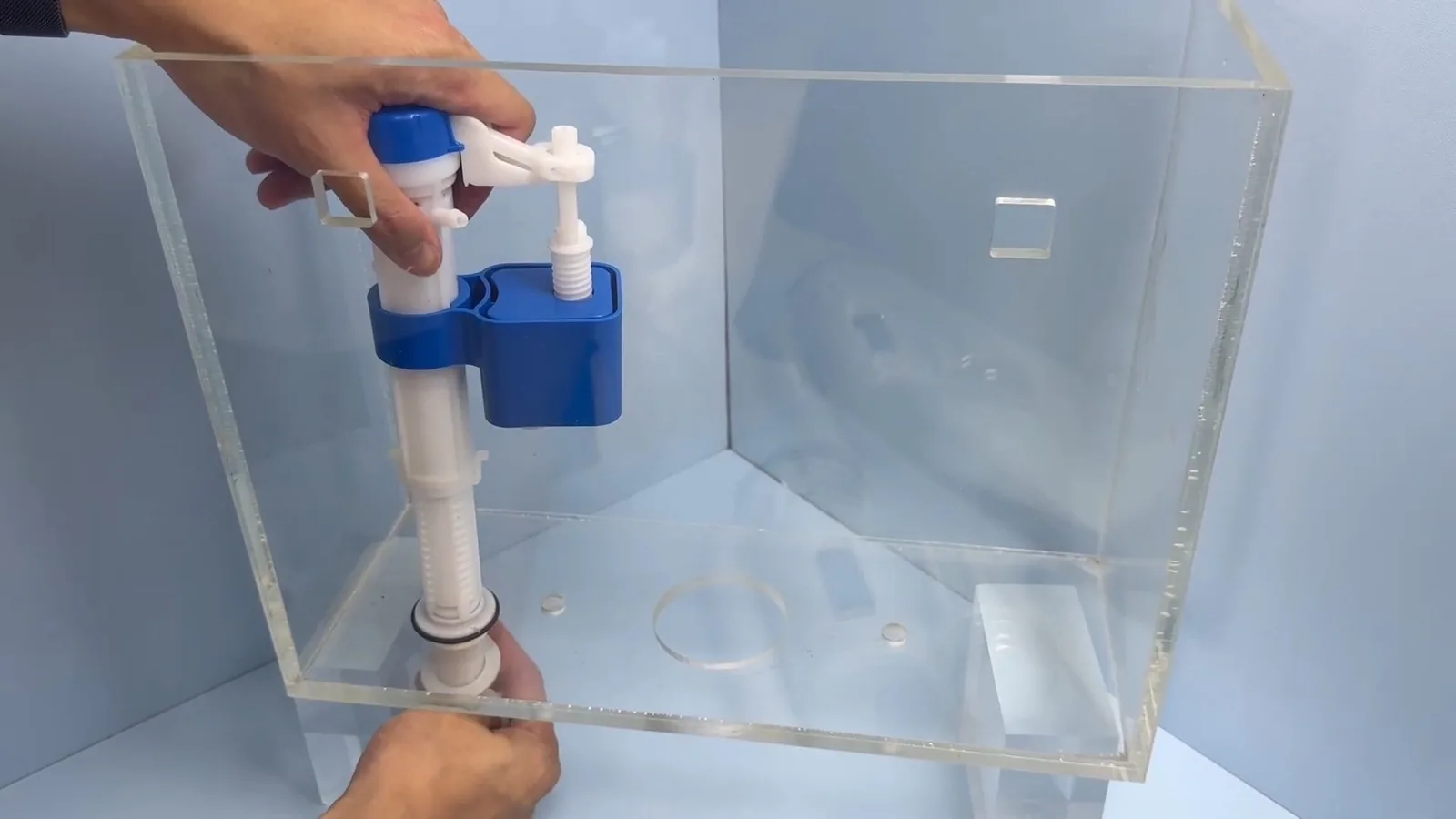
Tank and fixture repair: replace the part or the whole toilet?
| Part | Sign it has failed | Usual outcome |
|---|---|---|
| Flapper | Tank refills by itself; dye reaches the bowl | Replace the flapper |
| Fill valve | Hissing, or water never stops at the full line | Replace the fill valve |
| Flush handle and chain | Handle is loose or the flush stops short | Adjust or replace |
| Supply line | Drip at a nut or a bulge in the braided hose | Replace the line, and the shutoff valve if it is stiff |
| Tank bolts and gasket | Water drips from the bottom of the tank | Replace the bolts and seal |
| Cracked tank or bowl | A visible crack or a leak that returns | Replace the toilet |
Porcelain cannot be repaired once it cracks. A hairline crack that seeps is a sign the toilet is done, and putting a new part on a cracked tank only moves the leak.
Ask whether the replacement parts are standard or specific to your model, and ask for the old parts back so you can see what failed. When you call, it also helps to say how old the toilet is, what the symptom is, and whether the problem started after a flush, a storm or work done in the bathroom.
Leak at the toilet base or rocking bowl: wax ring and flange
A wax ring or a similar seal sits between the toilet and the drain flange in the floor. When it fails, you may see water at the base after a flush, smell sewer gas, or notice that the toilet moves when you sit. The repair means lifting the toilet, replacing the seal and checking that the flange is sound and the toilet sits level.
Water at the base is not always the seal. A tank that sweats in humid weather and a weeping supply line also leave water on the floor, so ask the plumber to find the source before the toilet comes up.
If the floor around the toilet feels soft, the vinyl is lifting or there is a stain on the ceiling of the room below, the leak has been running for a while. Say so when you call, stop using that toilet, and read about drying a bathroom floor that stayed wet so you know what the next step looks like.
A new toilet or moving one: what to measure and ask before installation
Replacing a toilet is a straight swap when the new one fits the old drain location. The measurement that matters is the rough-in, the distance from the finished wall to the center of the floor bolts. Twelve inches is common, but it is not universal, and a toilet built for a different rough-in leaves a gap or crowds the wall.
| Job | What changes | Ask before approving |
|---|---|---|
| Like-for-like replacement | A new toilet sits on the existing flange and supply | Is the old flange sound, and are a new seal and supply line included? |
| Taller, dual-flush or WaterSense-labeled model | Same drain, different bowl height and flush | Does the model fit the space, and is the label on the box? |
| Moving the toilet to another spot | The drain is rerouted and the floor is opened | Who opens and patches the floor, and is a permit needed? |
Relocation is a different scale of job. On a wood floor the drain is rerouted beneath it, and on a concrete floor the slab is cut, so the questions about scanning and cutting in cutting into a concrete floor apply to a toilet move too. Ask whether the work needs a permit and who pulls it. The City of Oviedo Building Services office is the place to confirm.
- The exact model and rough-in size of the new toilet, and the seat
- A new supply line and shutoff valve, or a statement that yours are reused
- Removal and disposal of the old toilet
- Repair of any flooring, baseboard or caulk disturbed by the work
- Who is responsible if the old flange is damaged once the toilet comes up
Call now or schedule? Four toilet situations
| Situation | Timing | While you wait |
|---|---|---|
| Water is spilling and the shutoff will not close | Call now | Close the house main and keep water away from outlets |
| The bowl is clogged and a plunger has not cleared it | Reasonable to schedule | Stop flushing and use another bathroom |
| The tank keeps refilling on its own | Reasonable to schedule | Close the shutoff valve overnight if it keeps running |
| Water seeps at the base and the floor feels soft | Call soon | Stop using the toilet and photograph the floor |
A single toilet can usually be taken out of service for a day without much trouble. A leak you cannot stop is the one that should not wait. A neighboring fixture that also leaks may call for fixing a leaking faucet or sink on the same visit, so mention it when you book.
Tell a plumber what the toilet is doing
Call Oviedo FL Expert Plumbers and describe the sound, the leak or the clog, and what you have already tried. We will say what to do next and what to leave alone.