
Water damage · Oviedo, FL
After a Leak or Flood: Oviedo Water Damage Restoration, from Standing Water to Dry Walls
Wet floors, soaked drywall and a damp smell all start a clock. Call Oviedo FL Expert Plumbers on the number shown on this page and tell us where the water came from, how long it has been there and which rooms it reached. This page covers water removal and drying, and says plainly where other trades take over.
The first hour after water gets in: what to do and what to leave alone
- Stop the source. For a plumbing failure, close the main shutoff. For rain or flood water coming in, move to higher ground inside.
- Stay out of any room where water reaches outlets, cords or the electrical panel.
- Lift small furniture, rugs, electronics and papers onto dry surfaces.
- Photograph and film every wet room before anything is moved or thrown out.
- Call us on this page, then call your insurer.
Do not run a household vacuum on standing water, and do not walk through water that may be sewage. When you call, tell us where the water came from, roughly how long it has been there and what the floors and walls are made of. Those three facts decide the plan.
Clean water, used water or sewage? The source decides the plan
Water does not carry the same risk from every source. A split supply line delivers water that was clean when it left the pipe. A washing machine or dishwasher overflow carries soap and food residue. Sewage and outdoor flood water carry bacteria, and they are handled differently.
| Source | What it means | Typical handling |
|---|---|---|
| Supply line or appliance supply hose | Clean when released, but it can turn within days if left | Extract and dry in place when it is caught quickly |
| Washing machine, dishwasher or tub overflow | Used water with residue | Extract, clean affected surfaces, then dry |
| Sewage backup, or flood water from outside | Contaminated | Porous materials usually come out; leave it to a crew experienced with contaminated water |
Hurricane Ian in 2022 flooded lakes, a river and several Oviedo neighborhoods, and Tropical Storm Fay flooded roads in 2008. Water that arrives from outside after a storm is treated as contaminated however clear it looks. The EPA says to call in a professional who has experience with buildings damaged by contaminated water, in its EPA mold cleanup guidance.
For a sewage backup, keep children and pets out of the room, wear waterproof boots and gloves if you must cross it, and wash well afterward. If the cause is a blocked main line, the line must be cleared before cleanup makes sense. See a backed-up sewer line.
The drying clock: why 24 to 48 hours matters
The EPA guide to cleanup after disasters says to dry a flooded home and its contents as fast as you can, within 24 to 48 hours if you can. It also says to throw away anything wet with flood water that cannot be cleaned and dried completely in that window.
That guidance is written for disaster flooding, but the same window is a useful target after a burst pipe or an appliance leak. Ask any company you call how it will measure dryness. Moisture readings taken at the start and again at the end are the evidence that the job is finished.
- A moisture map showing which walls and floors were wet when work began
- The equipment placed in each room and the day it comes out
- Final moisture readings, written down, for each area dried
- A list of materials removed, with photos
Drying or removal for carpet, wood floors, ceilings and walls
Carpet and pad: lift and dry, or replace?
Carpet that got wet from clean water can often be lifted, dried and reinstalled, but the pad underneath is commonly replaced because it holds water. If the water was contaminated, carpet and pad come out.
Hardwood and wood flooring: wait for readings
Wood swells and can cup or buckle as it takes in water. Boards sometimes recover when dried promptly and sometimes do not, and it can take days to know. Ask for a moisture reading before anyone sands, seals or refinishes.
Ceilings and walls: what drywall tells you
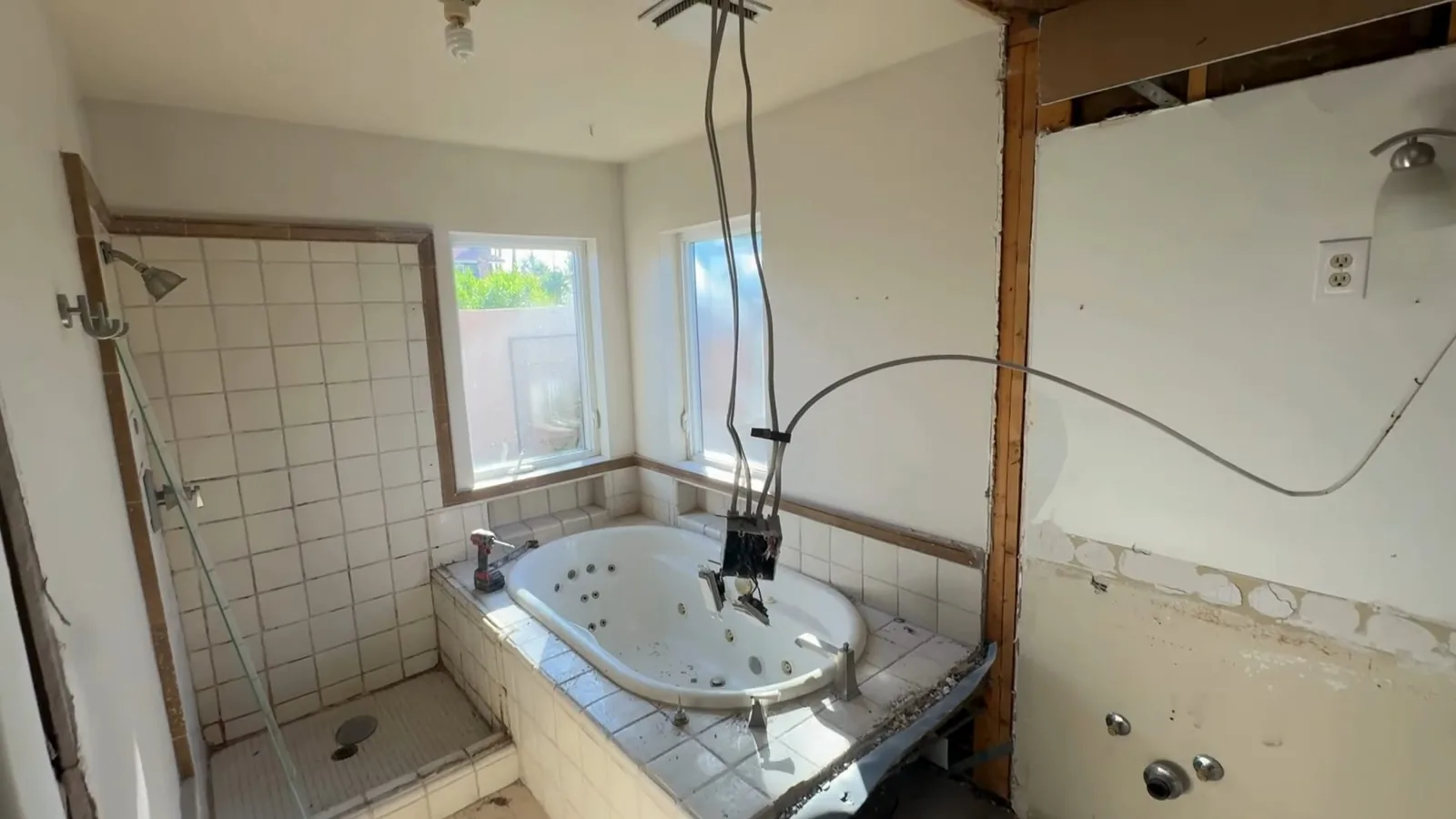
Stay out from under a ceiling that bulges or sags. Drywall that has sagged is usually removed, and insulation behind it is checked. For walls, a section above the water line is sometimes cut away so the cavity can dry. Ask which sections will be opened and where the cuts will stop.
Before you approve a drying plan: what to ask for in writing
A drying job is easy to describe vaguely and hard to dispute later. Before you agree to anything, ask for the plan in a form you can keep:
- Which rooms and which materials are included, and which are not
- What will be removed, and if you may inspect it before it is thrown away
- How many days the equipment is expected to run, and who decides when it stops
- Who is responsible if a wall or floor still reads wet after the equipment leaves
- Which parts of the work, such as disposal or an opening in a wall, are listed as separate items
A plan that names the readings it is aiming for is stronger than one that says only that the area will be dried. If the answers are vague, that is information about what the invoice will look like.
Mold after water damage: removal comes after the drying
Mold follows moisture. Removing visible mold before the structure is dry is a repair that comes back, so dry first, then remove what has grown. Mold removal on this page means taking out and cleaning moldy material once the water source is fixed.
The EPA mold cleanup guidance says you can usually handle an area smaller than about 10 square feet yourself, and it points to professional guidance for larger areas. If mold appears in more than one room, or you cannot tell how far it runs behind a wall, call before you start scrubbing.
Plumbing repair, drying and rebuilding are three separate jobs
The leak that caused the damage still has to be found and fixed. That belongs with repairing the pipe that failed or, when the source is not obvious, tracking down a hidden leak. Drying does not fix a pipe, and a repaired pipe does not dry a floor.
Rebuilding, which means new drywall, paint, trim and flooring, is a different trade from the removal and drying described here. Ask for each piece to be quoted separately so you can compare them and so your insurer can follow the paperwork.
Flood damage from outside and water from a plumbing failure are often handled under different coverage. Ask your insurer which applies before work begins, and keep the dated photos you took in the first hour. This page is written for homes. If the water is in a business property, say so when you call.
Tell us where the water came from and which rooms it reached
Call Oviedo FL Expert Plumbers on the number below. Describe the source, the time and the materials, and we will tell you what to do while you wait.